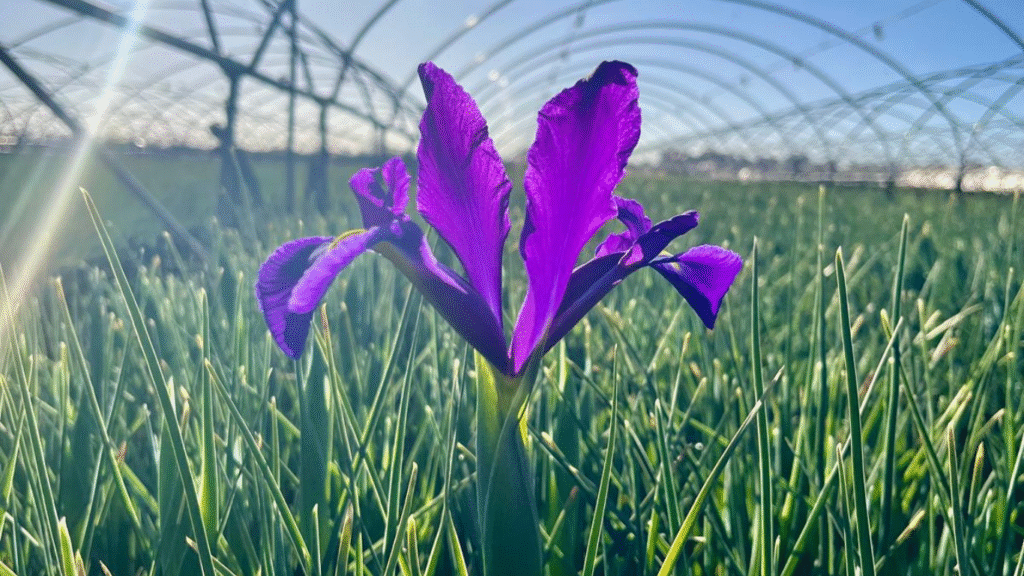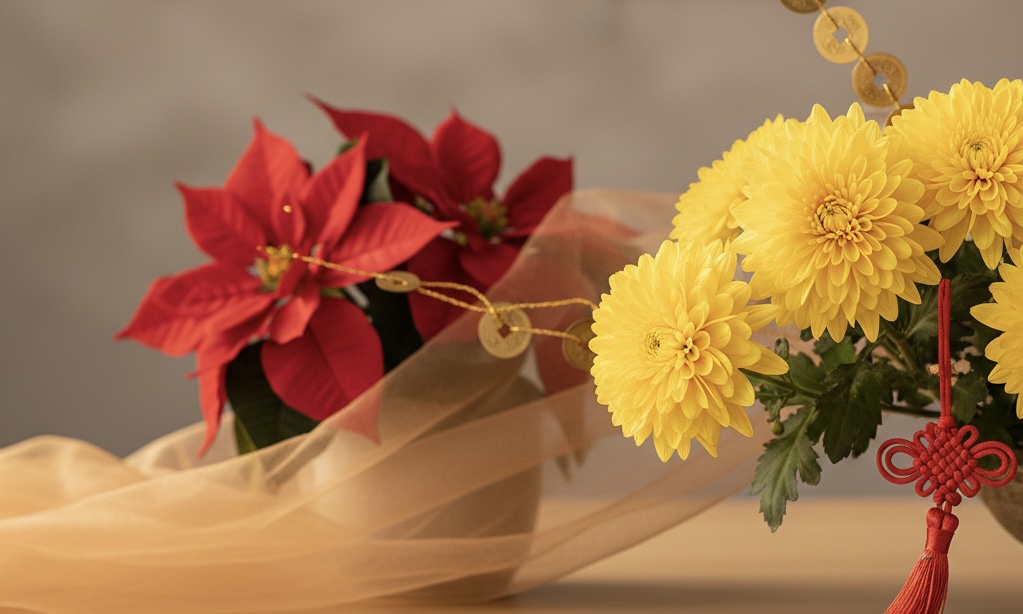
When we admire a beautiful flower arrangement, it’s easy to focus on the blooms themselves. But long before flowers are harvested, tiny pollinators play an important role in the natural life cycle of many flowering plants.
What Are Pollinators?
Pollinators are animals that help transfer pollen from one flower to another, allowing plants to reproduce. The most well-known pollinators include:
🐝 Bees
🦋 Butterflies
🐦 Hummingbirds
🪲 Beetles
🦇 Bats (for certain plant species)
Each of these species contributes to healthy ecosystems by supporting plant reproduction and biodiversity.
Why Are Pollinators Important?
Pollinators help maintain balanced ecosystems by supporting the reproduction of flowering plants. Healthy pollinator populations also benefit surrounding habitats, providing food and shelter for wildlife.
Even in flower-growing regions, pollinators are an important part of the environment and remind us how closely agriculture and nature are connected.
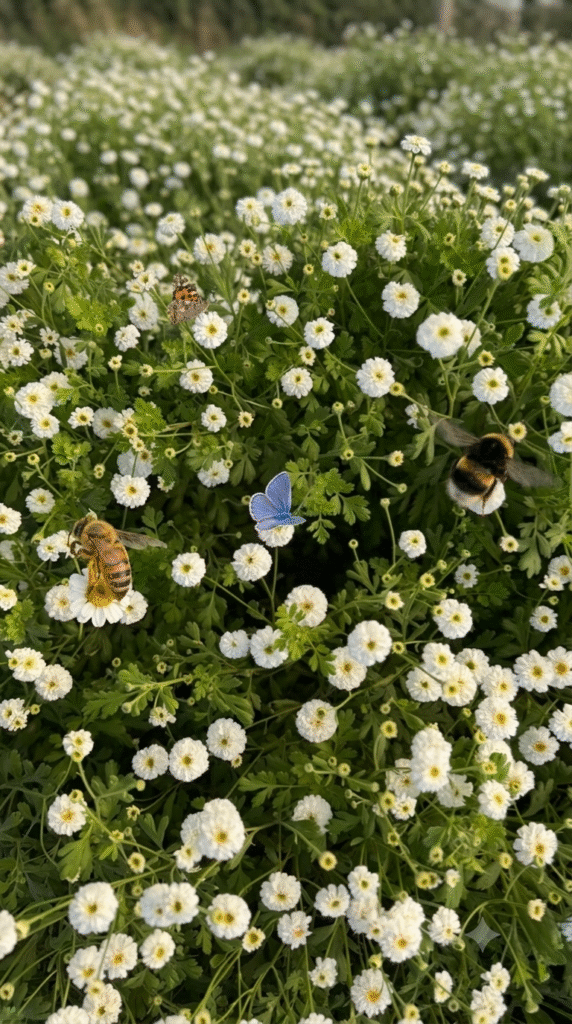
Flowers and Pollinators
Many flowering plants attract pollinators with their bright colors, unique shapes, and nectar. Bees, for example, are especially attracted to blue, purple, white, and yellow flowers, while hummingbirds are often drawn to red and tubular blooms.
Every flower species has evolved in its own way to interact with the natural world.
Appreciating Nature Every Step of the Way
Behind every beautiful bloom is a much larger story—one that includes healthy fields, changing seasons, and the incredible work of pollinators. Their role in nature helps sustain the environments where flowers grow and reminds us of the importance of protecting biodiversity.
At Channel Islands Flowers, we appreciate the natural beauty that surrounds flower farming and the many elements that contribute to growing exceptional blooms.