Labor Day marks more than the unofficial end of summer. For the floral industry, it’s the beginning of a gradual shift toward richer colors, stronger textures, and the seasonal moments that define the months ahead.
Labor Day → First Day of Fall → Halloween → Thanksgiving
Each milestone brings a new floral mood and behind the scenes, the flowers themselves are responding to the changing season.
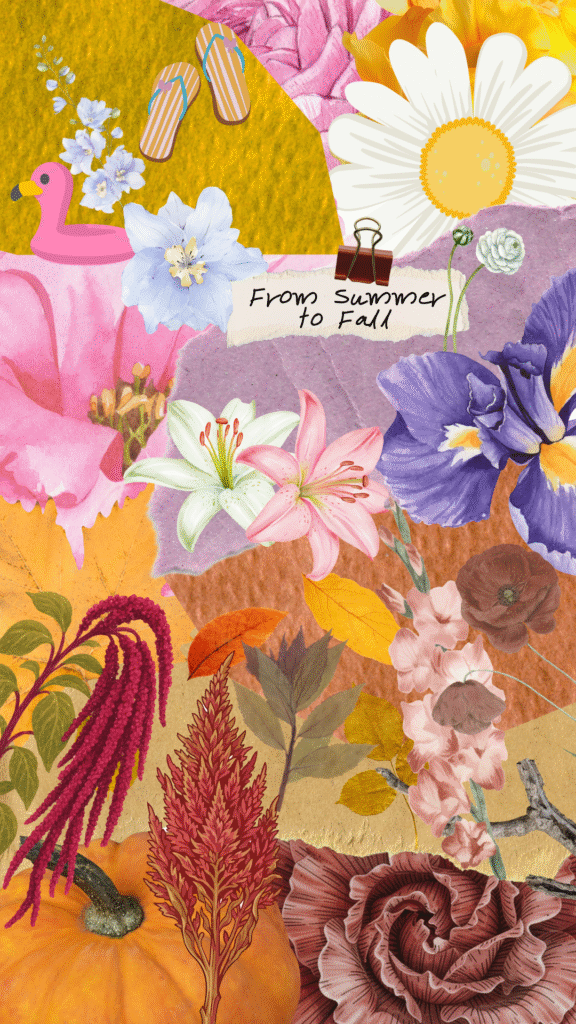
From Summer to Fall
The transition isn’t about switching from bright summer colors to traditional fall tones overnight. Instead, we’re seeing more layered palettes, bold textures, natural movement, and unexpected color combinations.
Flowers like Celosia are perfect for this moment. With their distinctive texture and rich colors, they can bring an autumn feel while still fitting naturally into late-summer designs.
Lisianthus, Snapdragon, Gladiolus, and Delphinium can also help bridge the seasons, adding softness, height, movement, and contrast.
The Seasonal Calendar
🌿 Labor Day
The unofficial close of summer is often when floral palettes begin to shift. Bright summer tones start making room for warmer colors and more textural flowers.
🍂 First Day of Fall
Fall officially arrives, bringing deeper palettes, richer textures, and increasing interest in seasonal floral designs.
🎃 Halloween
This is where designers can have fun with dramatic colors, unusual textures, and bold floral combinations. Deep oranges, burgundies, greens, and contrasting tones can create a more unexpected seasonal look.
🦃 Thanksgiving
By November, floral design often becomes warmer and more abundant. Rich colors, textural elements, and statement flowers help create arrangements that feel welcoming and celebratory.
What Changes in the Field?
The seasonal transition isn’t only something we see in floral design.
As summer temperatures begin to cool and daylight hours gradually decrease, crop growth and development can change. Growers closely monitor temperature, moisture, irrigation, and harvest timing to respond to changing conditions.
Cooler weather can influence how quickly crops develop and when flowers reach the ideal harvest stage. During this transition, close crop monitoring becomes especially important for maintaining consistency and quality.
What Changes in the Warehouse?
The flowers also experience a different environment once they leave the field.
During the heat of summer, flowers can arrive carrying more field heat, making rapid cooling and temperature management especially important.
As fall approaches and outside temperatures change, warehouse teams continue adjusting storage and handling conditions to help prevent dehydration, condensation, and unnecessary stress on the flowers.
The goal remains the same: protect the quality of every bloom as it moves from the field to the customer.
A New Season Is Blooming
From Labor Day to Thanksgiving, the next few months bring some of the most exciting opportunities for floral design.
The colors change. The textures change. The crops respond to the weather. And the way flowers are handled changes with them.
At Channel Islands Flowers, we’re watching that transition happen every day from the field to the warehouse and, ultimately, into the hands of the floral professionals who bring the season to life.
Summer is fading. Fall is blooming.